
New World screwworm spreads to Arizona and is found in a cat in New Mexico

New World screwworm spreads to Arizona and is found in a cat in New Mexico
By: Chris Dall
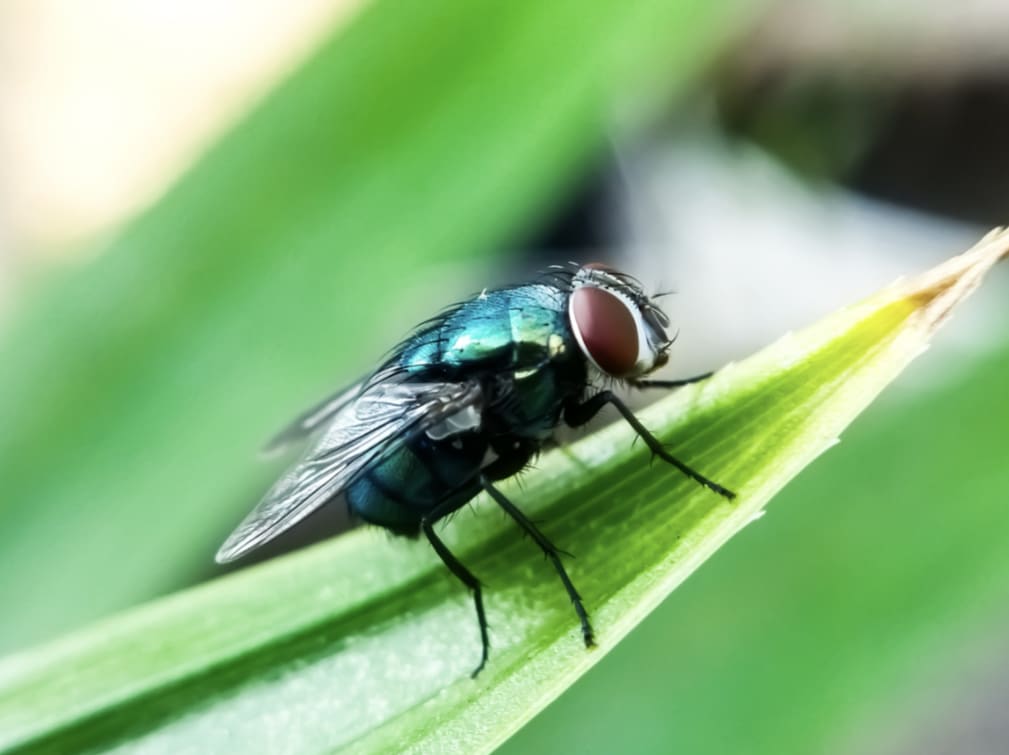
Arizona has reported its first detection of New World screwworm (NWS).
The detection is one of five new NWS cases confirmed in the past few days by the US Department of Agriculture’s (USDA’s) Animal and Plant Health Inspection Service (APHIS), all in pets. Four of the NWS infestations are in dogs in Arizona, New Mexico, and Texas, and the other is in a domestic cat in New Mexico—the first case detected in a cat.
There have now been 71 NWS cases in the country since the outbreak began in June. Most have been in cattle and sheep in Texas and New Mexico. Nine cases have been in dogs.
NWS is a parasitic fly (Cochliomyia hominivorax) that’s been spreading north from Central America in recent years. When the adult fly lays its eggs in the open wounds or mucous membranes of warm-blooded animals, the larvae feed on the animals’ tissue, causing severe damage. Cases can be fatal if left untreated.
Although state and federal officials are worried primarily about the threat to livestock, pets and wildlife are also at risk of getting infected, especially if they live in areas where NWS has been detected.
Officials urge close monitoring of animals
The Arizona Department of Agriculture said the confirmed case was identified by a veterinarian in a dog in Cochise County with a heavily infested wound on its back. The county borders both Mexico and New Mexico.
“We remain prepared and vigilant, and we urge all livestock owners, pet owners, and other animal industry partners to continue to monitor animals closely and report any unusual wounds consistent with NWS immediately,” the department said in an update.
APHIS said it’s working closely with Arizona officials on a joint response.
The USDA urges animal owners in the area to inspect animals daily for draining or enlarging wounds and maggots or egg masses in wounds.
The Food and Drug Administration has issued several emergency use authorizations in recent months for drugs that can treat and prevent NWS in dogs and cats.