
Continued spread of HPAI (H5N1) across multiple US states in commercial and backyard poultry, wild birds, and dairy cattle
Continued spread of HPAI (H5N1) across multiple US states in commercial and backyard poultry, wild birds, and dairy cattle
Key findings
- Oregon—commercial poultry: On 04 Nov 2026, USDA’s National Veterinary Services Laboratories confirmed HPAI in a commercial laying-hen flock in Clackamas County, marking the state’s first commercial-flock detection of 2026. Preliminary testing at the Oregon Veterinary Diagnostic Laboratory identified the suspected infection on 02 Nov 2026. All 94 200 birds were euthanized, bringing Oregon’s cumulative domestic bird losses to more than one million.
- Washington—commercial poultry: On 05 Nov 2026, HPAI was confirmed at a commercial poultry facility in Pierce County, marking the state’s first commercial poultry detection of 2026. Response measures included quarantine, egg destruction and monitoring of exposed workers by local and state public health authorities.
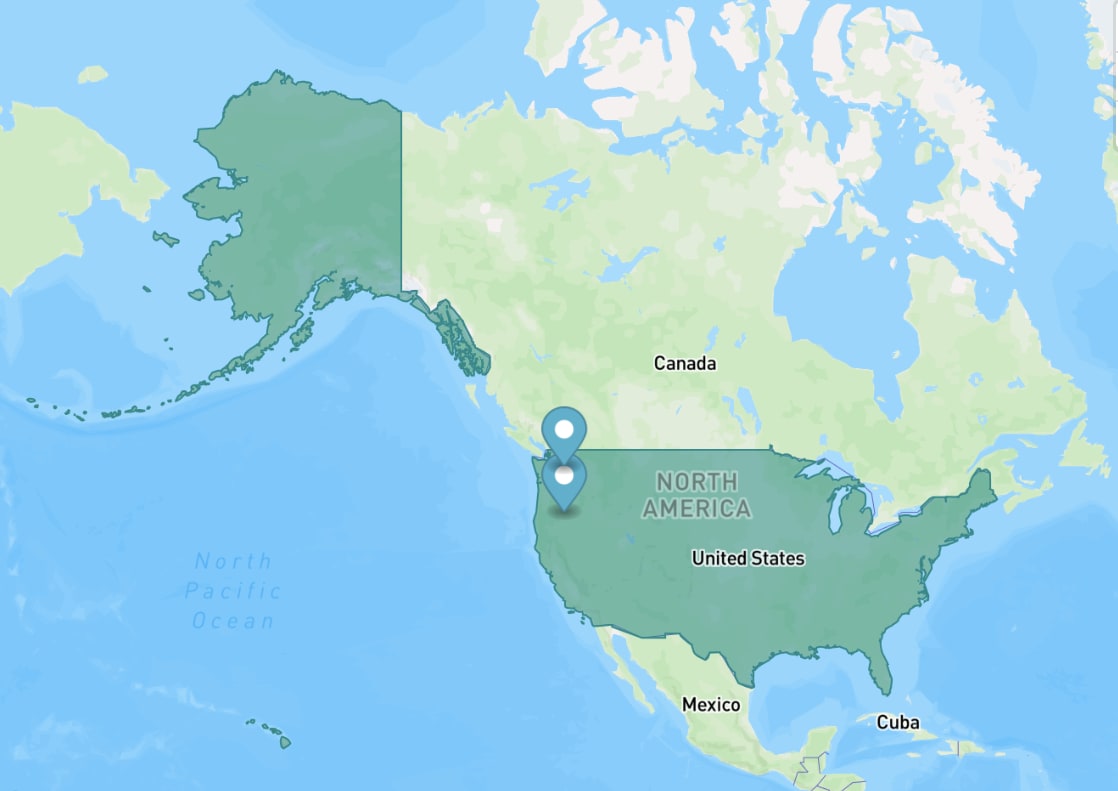
- Washington—backyard poultry and dairy cattle: Three backyard flocks in Yakima and Kittitas counties were reported affected in October 2026, with reported exposure to migratory waterfowl. Separately, as of 07 Nov, Washington had reported 43 HPAI-affected dairy herds since 08 Oct, including a Benton County herd confirmed with H5N1 on 26 Oct and two Yakima herds on 05 Nov (Figure 1).
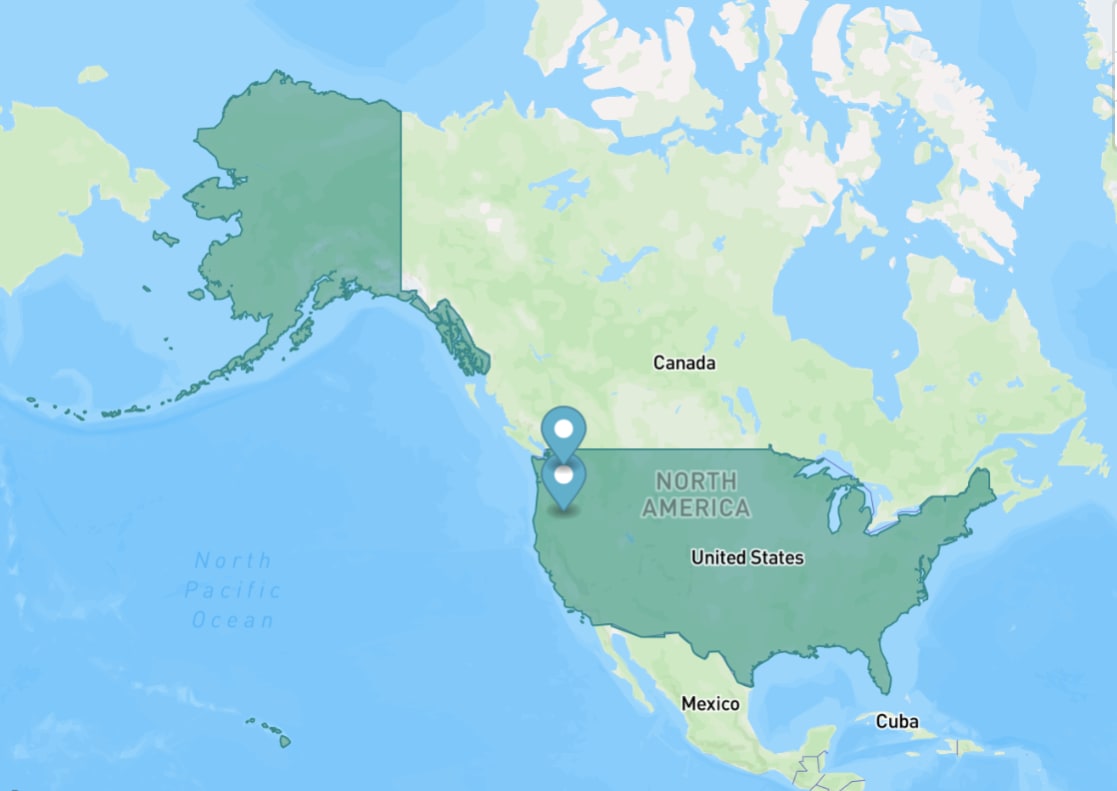
- Additional poultry detections: Between 29 Oct and 05 Nov 2026, confirmations were reported in a commercial meat turkey flock of 45 000 birds in Sac County, Iowa, on 29 Oct; two backyard flocks in San Benito and Sacramento counties, California, on 02–03 Nov; a commercial meat turkey flock of 54 100 birds in Deuel County, South Dakota, on 04 Nov; and a poultry flock of 10 000 birds in Gooding County, Idaho, on 05 Nov. The Yakima County backyard detection noted above was confirmed on 30 Oct. Bird counts represent flock populations (Figure 2).
- Washington—wild birds: During the reporting period of 06 Oct–05 Nov 2026, APHIS listed 23 wild birds positive for Eurasian-lineage H5 HPAI (Figure 3): two in Yakima County and 21 in Grant County Collected on 17–19 Oct, the birds comprised nine American wigeons, five gadwalls, five green-winged teals, and one each of black-billed magpie, rock pigeon, northern shoveler and northern pintail.
- Affected commercial poultry facilities in Oregon and Washington were quarantined. Authorities reported that no affected animals or products entered the food supply and assessed the risk to the general public as low.
- Washington—human infections: Three avian influenza A(H5) infections among dairy-farm workers were reported to CDC in October 2026. Two workers experienced conjunctivitis or eye irritation, with upper respiratory symptoms also reported in one. The third developed respiratory illness, was hospitalized and died; this was reported as the third HPAI-associated human death in the United States.
Epidemiological analysis and public health impact
- The near-simultaneous commercial-flock detections in Oregon, Washington, California, South Dakota, and Idaho layered onto ongoing wild bird, backyard-flock and dairy-herd transmission, indicate that the virus is circulating broadly across avian and bovine hosts on the West Coast; this cross-species pattern raises opportunities for reassortment and genetic change.
- The identification of three human H5N1 cases among dairy workers, including one fatal case, underscores the occupational risk associated with exposure to infected cattle in this region. This is consistent with the broader US pattern of dairy-associated human infections, first documented in a dairy farm worker in 2024. As of 05 Nov 2026, 74 human cases had been reported nationally: 44 associated with exposure to infected dairy cattle, 24 with poultry farms, three with other animals, and three with an unknown exposure source.
- Clinical severity in the documented human cases spans a wide spectrum, from mild conjunctivitis/eye irritation to fatal respiratory illness, reflecting the recognized heterogeneity of H5N1 presentations and underscoring the importance of early recognition in anyone with farm exposure (Garg S, et al. 2024).
- The lack of confirmed human-to-human transmission in any of these cases keeps general population risk low, but the repeated spillover events across multiple counties and two states over a short interval point to a sustained, rather than transient, zoonotic pressure from circulating H5N1 in the regional ecosystem.
- Fall migratory movement of wild waterfowl is acting as the principal driver of the poultry detections, consistent with the seasonal pattern described by agriculture officials, who note that HPAI detections are higher in autumn and spring as waterfowl migrate; in dairy herds, however, state animal health officials report that wild birds are not considered the primary source of spread, with transmission occurring mainly through infected animals and contaminated milk, equipment, vehicles, clothing and people moving between farms.
- The scale of avian mortality already recorded in California, Washington, Oregon, and Idaho signals that control efforts (culling, quarantine, biosecurity) are containing individual premises but not preventing new introductions, implying ongoing, rather than resolving, regional pressure on poultry producers and veterinary diagnostic capacity.
Comparative analysis and future outlook
- Further poultry detections and dairy-herd infections are likely in the coming weeks as fall waterfowl migration and farm-to-farm transmission sustain infection pressure.
- Priorities include poultry biosecurity, bulk-tank milk testing, cattle-movement tracing and worker protection, with prompt testing of symptomatic exposed individuals.
- Additional severe human cases, spread into new areas or evidence of human-to-human transmission would warrant urgent reassessment; the reported risk to the general public remains low.
Source here
Powered By GrowthZone